
Choosing a truly rejuvenating leisure activity requires distinguishing between those that provide a real break and those that occupy time without recharging. A study published in 2026 in the European Journal of Public Health shows that profiles combining moderate digital use, physical activities, and social connections exhibit better psychological well-being than highly connected profiles.
What leisure activities produce this result, and how can one arbitrate between different families of activities to make the most of their free hours?
Digital Leisure and Physical Leisure: What Recent Data Shows
The temptation to fill free time with online activities is strong. A study reported in August 2026 by CORDIS of the European Union, published in PLOS One, indicates that the daily temptation to connect weighs more than stress or mood in the choice of a digital leisure activity. In other words, we don’t scroll because we are tired, but because the allure of the smartphone is omnipresent.
In contrast, physical or social activities require a greater initiation effort but generate higher quality recovery. The table below summarizes the trends observed in recent literature.
| Criterion | Digital Leisure (streaming, social media) | Active Leisure (sports, outdoors, manual creation) |
|---|---|---|
| Ease of access | Immediate, no preparation | Requires travel or equipment |
| Quality of disconnection | Low (constant solicitations) | High (sensory break) |
| Observed psychological well-being | Variable, decreases beyond moderate use | Favorable, especially combined with social connection |
| Trend 2025-2026 | Slight increase in use | Growth in outdoor activities, mountains, and intermediate seasons |
What is clear: a restful leisure activity requires reducing the allure of screens, not just adding an activity in parallel. The binary opposition of “screens versus zero screens” is less relevant than a thoughtful dosage.
To explore different categories of activities and identify those that match your profile, leisure activities on Ce Qu’il Faut Savoir offer a structured overview by theme.
Outdoor Activities and Nature: The Trend Redefining Free Time
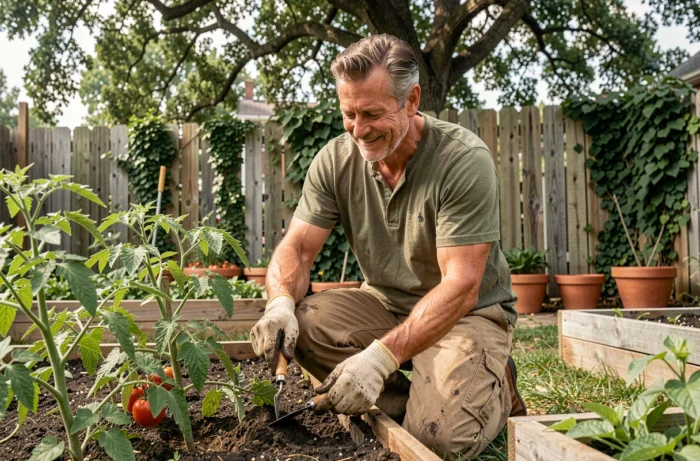
Outdoor activities are no longer reserved for summer vacations. Tourist analyses from 2026 indicate a shift towards mountain stays and intermediate seasons, at the expense of classic urban getaways. Spring and autumn are becoming prime windows for hiking, climbing, or simply walking in the forest.
Why the Mountains Attract Beyond Winter
Off-season stays at altitude combine three advantages: reduced crowds, more accessible prices, and climatic conditions favorable to moderate effort. For a family with children, a hike in the mid-mountains in spring requires less logistics than a ski trip, while offering a clear break from urban daily life.
The national park or nature reserve is becoming a weekend destination, not just for vacations. This proximity to nature directly addresses the need for disconnection identified by the studies mentioned earlier.
Nature Activities Accessible in the City
Not all outdoor leisure activities require leaving the capital or its outskirts. Here are some concrete suggestions:
- Urban parks now offer guided Nordic walking courses, suitable for all physical conditions and accessible year-round
- Community gardening in shared plots combines manual activity, social connection, and contact with the earth, with waiting lists shortening in several medium-sized cities
- Naturalist observation outings (birds, insects, botany) are multiplying through local associations and require no expensive equipment
Creative Leisure and Cooking: A Return to Manual Activities
Cooking remains one of the most practiced leisure activities, but its format is evolving. In-person workshops (baking, world cuisine, fermentation) are experiencing a resurgence of interest because they add a social dimension to an activity often solitary at home.
Manual activity produces a “flow” effect that is difficult to replicate with passive leisure. Whether it’s pottery, drawing, sewing, or woodworking, the common point is the simultaneous mobilization of hands and attention, effectively breaking the loop of digital solicitation.
How to Choose Between Several Creative Leisure Activities
The most reliable criterion is not cost or popularity, but the regularity you can maintain. A leisure activity practiced once a week for six months brings more than a spectacular activity abandoned after three sessions.
- If you have less than an hour per session, quick cooking (batch cooking, 30-minute recipes) or daily sketching are realistic formats
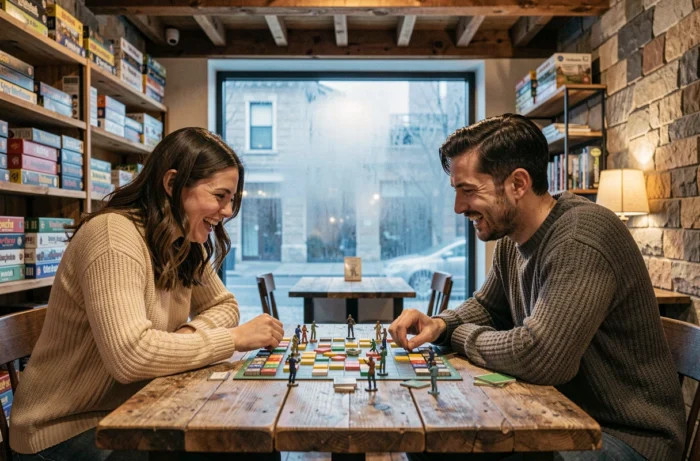
- If you seek a social setting, collective workshops (creative escape game, pottery classes, book group) add a scheduling constraint that maintains commitment
- If you prefer solitude, journaling or watercolor requires only a notebook and a few minutes of daily concentration
Balancing Active Leisure and Calm Leisure: The Overlooked Variable
The balance between effort and rest varies according to each person’s daily life. A physically active person at work does not need the same type of leisure as someone sitting for eight hours a day.
The best leisure compensates for what your daily life does not provide. If your days are sedentary, a gentle sport or a nature walk will be more beneficial than a binge of series. If your work is physical, a calm leisure activity (reading, music, museum visit) offers a more restorative contrast.
This logic of compensation explains why no universal list of “best leisure activities” works. The right leisure depends on your daily activity profile, your access to nature or the city, and the actual time you can dedicate to it each week.
Data from 2026 converge on one point: the quality of disconnection matters more than the number of activities practiced. An hour of walking per week maintained for six months brings more than a list of ten activities tried once.