
One Piece tells the story of Monkey D. Luffy, a young pirate who wants to find the legendary treasure left by the Pirate King, Gold Roger. Since its first publication in 1997 in Weekly Shonen Jump, Eiichiro Oda’s manga has sold over 500 million copies worldwide. The anime, on the other hand, has more than 1,100 episodes aired, making it one of the longest-running series ever produced.
Seasonal airing of the One Piece anime: a turning point in production
For over twenty years, the One Piece anime operated on a continuous airing model. Every week, a new episode, without interruption or almost. This pace had a well-known side effect for fans: filler.
To stretch the manga content over an entire episode, Toei Animation added slowed-down scenes, flashbacks, and transition sequences. As a result, some episodes advanced the plot by only a few pages of the original manga.
The anime has switched to a seasonal format, limited to a maximum of 26 episodes per year. This change completely reshuffles the cards. Fewer episodes mean a better budget per episode, more polished animation, and a narrative pace that is more faithful to the manga. Those who embark on an immersion in the One Piece odyssey today will benefit from a significantly improved visual quality in the recent arcs.
Why this shift now? The competition from streaming platforms has raised animation standards. Adaptations like Jujutsu Kaisen or Demon Slayer have shown that a seasonal format can generate much greater excitement than an uninterrupted weekly airing.
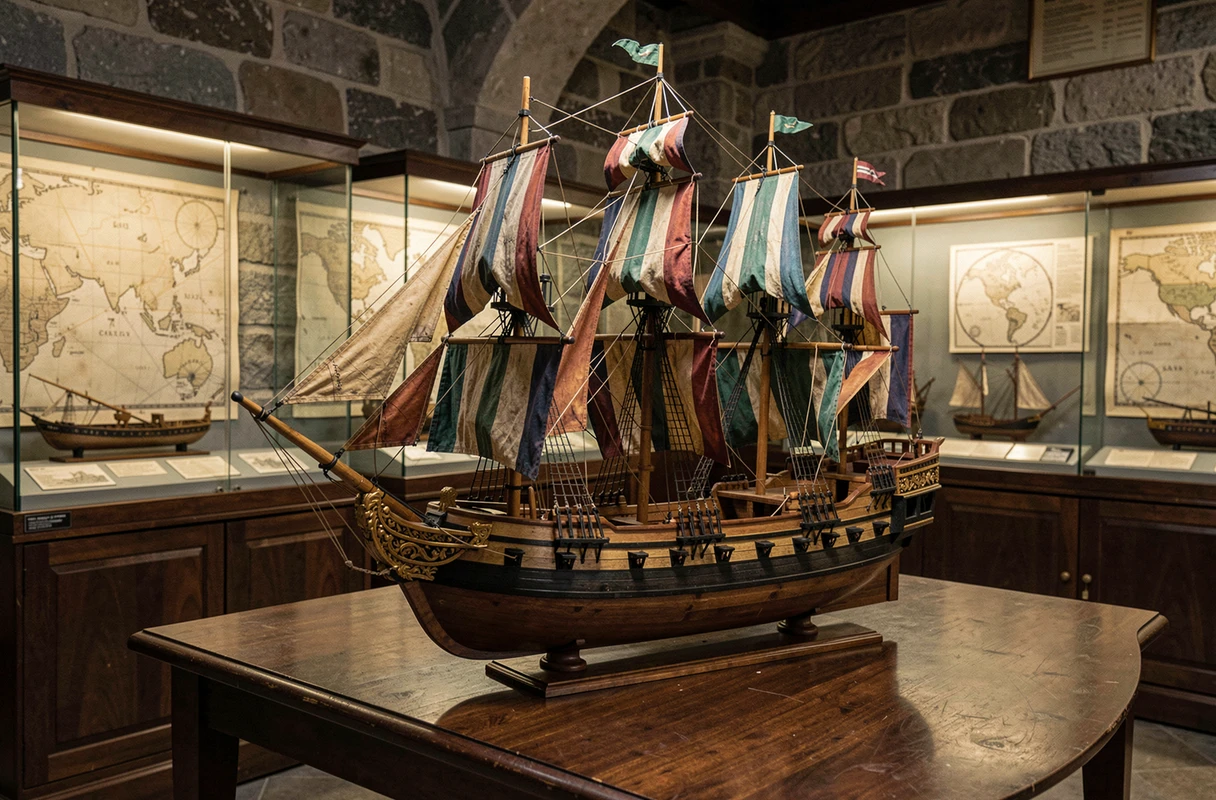
Egghead Arc and the path to Elbaf: where is Luffy’s maritime odyssey
The anime has reached the Egghead arc, and the narrative timeline is now structured up to Elbaf. For a reader discovering the series, these names mean nothing. Here’s the main idea: One Piece has entered its final phase, where the central mysteries begin to find answers.
The Egghead arc takes place on a laboratory island led by Dr. Vegapunk, the brightest scientist in the One Piece world. It is here that major revelations about the Forgotten Century, a period of history that the World Government has deliberately erased, come to light.
The Forgotten Century and Joy Boy at the center of discussions
Two figures are capturing the readers’ attention: Joy Boy, a mythical character linked to the One Piece treasure, and Imu, the secret sovereign of the World Government. Their respective roles in the Forgotten Century have fueled theories for years.
What has changed recently is that Oda has started to deliver direct answers. Recent chapters have shown Imu using destructive powers against Luffy, confirming that this character is not just a political figure, but a full-fledged adversary.
Elbaf, the island of giants, is the next confirmed arc. Fans have been waiting for it since the first mentions in the Little Garden arc, published over twenty years ago. Each arc resolves mysteries posed sometimes decades earlier.
Watching One Piece as a new viewer: a transmedia ecosystem
Over 1,100 episodes, about twenty films, OVAs, special episodes. The question every newcomer asks: where to start?
Recent viewing guides have evolved. They no longer just list the arcs in chronological order. They now recommend integrating certain films at specific moments in the journey, as the One Piece experience functions as a transmedia ecosystem rather than a simple linear series.
Here are the main landmarks to help you navigate:
- The manga remains the most complete and faithful source to Oda’s vision, with a reading pace much faster than the anime
- The anime in seasonal format (starting from the recent arcs) offers superior animation quality compared to earlier seasons
- Some films like One Piece Film: Red or Strong World fit into the narrative timeline and enrich the understanding of secondary characters
- Current guides recommend watching the Red film after the Wano arc to fully enjoy the emotional context
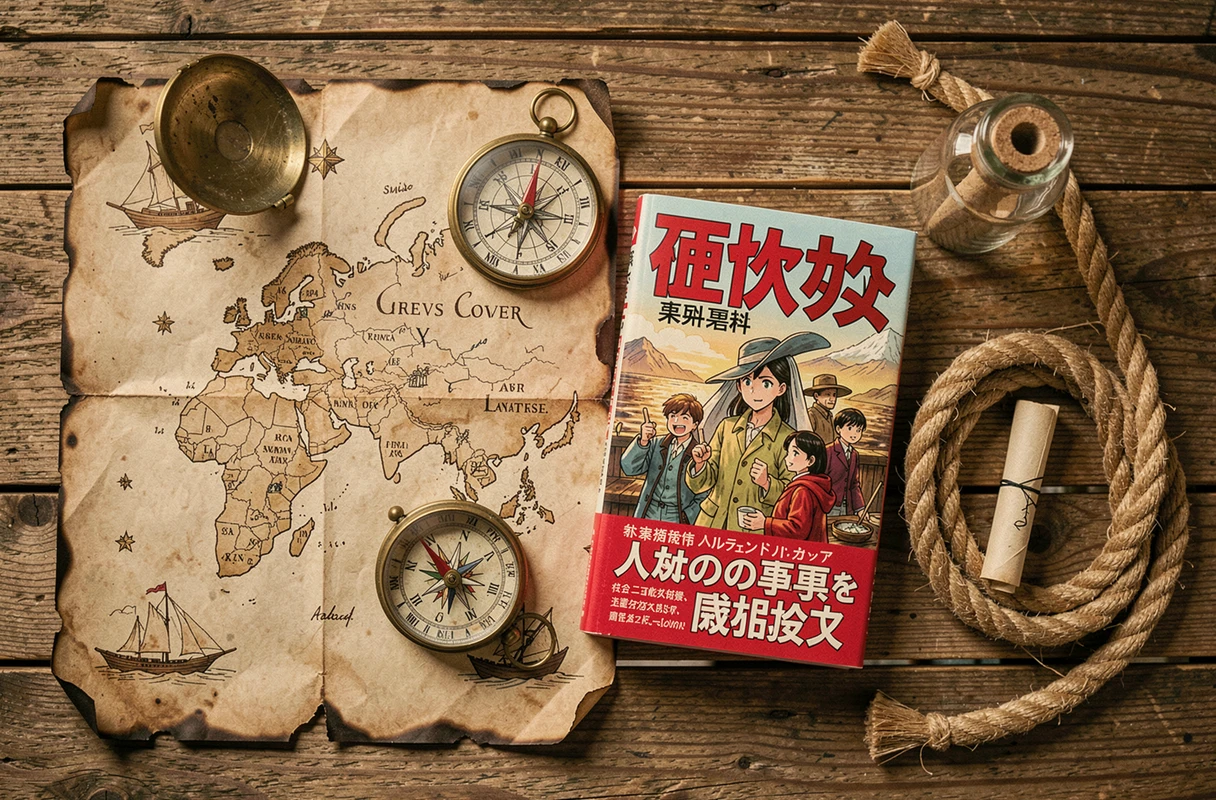
Manga or anime: which format to choose to start
If available time is limited, the manga is the most efficient choice. A chapter takes five to ten minutes to read. An anime episode takes twenty, with narrative content sometimes equivalent to just one chapter.
The anime has an advantage that the manga cannot offer: music, voice acting, and staging. Fight scenes gain intensity with animation, especially since the switch to the seasonal format.
Why One Piece retains its audience after more than twenty-five years
Many long mangas lose their audience before the end. One Piece does the opposite. The reason lies in Oda’s narrative construction: details sown in the early volumes find their meaning hundreds of chapters later.
A concrete example: the character of Laboon, a whale encountered at the very beginning of the Grand Line, seemed anecdotal. Hundreds of chapters later, his story connects to that of Brook, the skeleton musician of the crew. This type of callback rewards long-time readers.
The other factor is the depth of worldbuilding. The world of One Piece contains four oceans, a central sea route called the Grand Line, sky islands, and inhabited seabeds. Each arc explores a new territory with its own rules, culture, and political conflicts.
The transition to the final phase has not diminished the narrative ambition. Revelations about Joy Boy and the Forgotten Century raise questions about the nature of power, collective memory, and freedom, themes that resonate far beyond the scope of an adventure manga.
One Piece is not just a story about pirates searching for treasure. It is a narrative where every island visited, every character encountered, and every battle fought contributes to a tapestry whose outlines are now becoming clearer, after more than twenty-five years of publication.